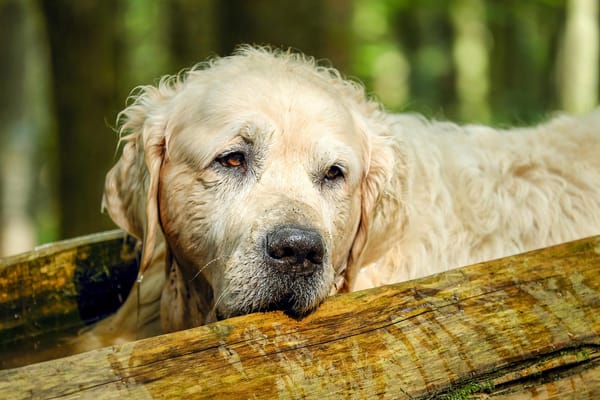
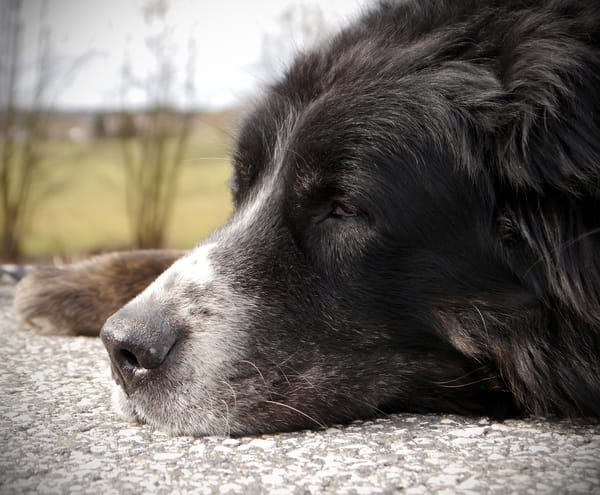
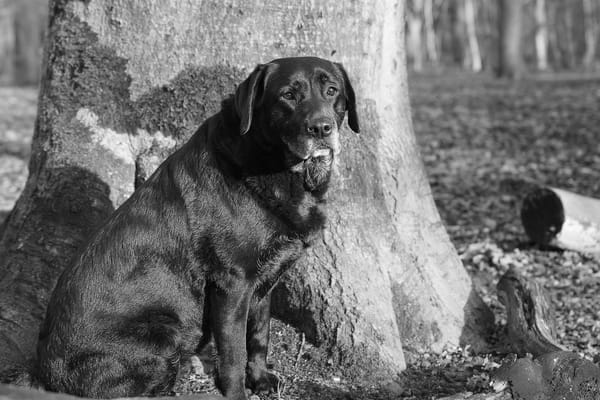
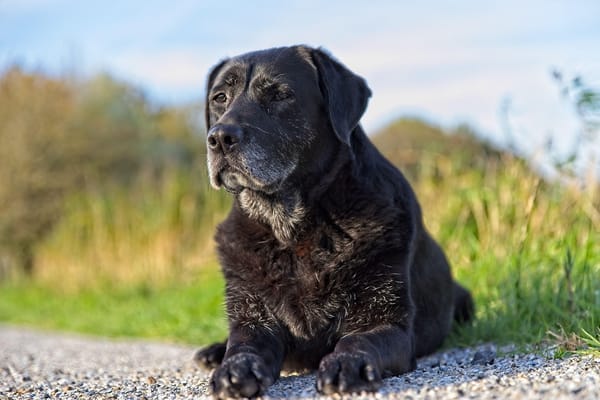
How to Keep Your Senior Dog Mentally Stimulated Indoors As dogs grow older, their world often becomes smaller. Long hikes may turn into slow walks around the block. Arthritis, fading eyesight, hearing loss, or reduced stamina can make outdoor adventures harder than they once were. But aging does not mean your dog stops needing mental engagement. In many ways,
Senior Dog Skin Changes: Lumps, Bumps, and What to Watch As dogs grow older, their skin changes right along with the rest of their bodies. You may notice your once smooth-coated companion developing small bumps under the skin, wart-like growths near the eyes, dry patches, or thicker areas around the elbows and paws. Some changes are harmless signs of aging.
How to Help a Senior Dog With Weak Back Legs Watching an older dog struggle to stand, climb stairs, or walk across the room can be heartbreaking. Many senior dogs eventually develop weakness in their back legs due to aging, arthritis, nerve problems, muscle loss, or spinal disease. Some dogs simply move slower with age, while others experience more serious
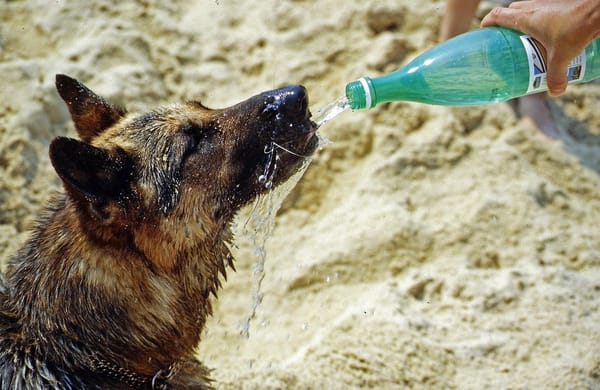
Senior Dog Hydration Tips for Dogs Who Barely Drink Watching an older dog ignore their water bowl can make even calm pet owners anxious. One day your dog drank normally, and now you are refilling the bowl less often and wondering whether this is just part of aging or something more serious. The truth is that hydration becomes more
How to Make Mealtime Easier for Dogs With Dental Pain Watching a dog struggle to eat can be heartbreaking. Some dogs approach their bowl eagerly, only to back away after a few bites. Others may chew slowly, drop food from their mouth, or suddenly refuse treats they once loved. Dental pain is one of the most common reasons for these
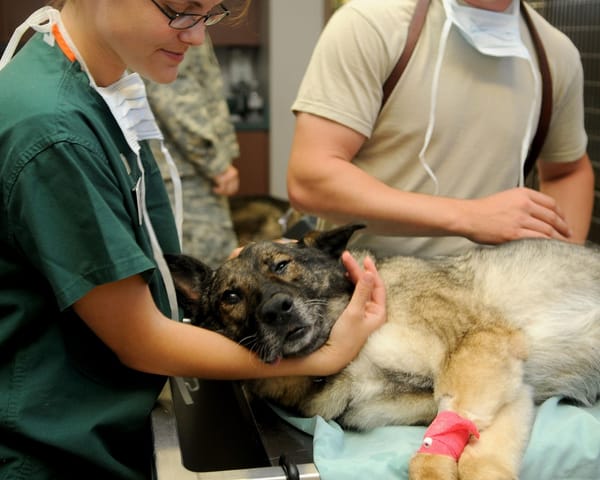
What to Bring to a Senior Dog Vet Appointment As dogs age, veterinary visits often become more detailed and more important. A quick wellness exam that once took fifteen minutes can evolve into a much deeper conversation about mobility, appetite, cognitive changes, medications, and quality of life. Being prepared helps your veterinarian identify subtle problems earlier and create a
How to Prepare Your Home for a Dog Recovering From Surgery in Old Age Bringing a senior dog home after surgery can feel overwhelming. Older dogs often recover more slowly than younger pets, and even routine procedures can leave them tired, disoriented, or physically fragile for days or weeks afterward. Whether your dog has undergone orthopedic surgery, tumor removal, dental work, or another medical
Senior Dog Appetite Changes: What’s Normal and What’s Not Watching an older dog slow down can be emotional for any pet owner. One of the most noticeable changes often happens around food. Maybe your once food obsessed Labrador now leaves kibble in the bowl. Perhaps your senior Chihuahua only wants soft food, or your aging Golden Retriever seems interested
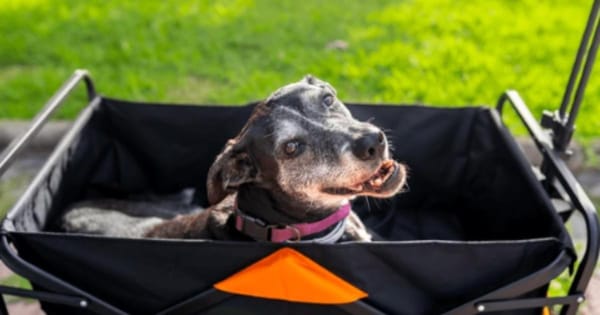
The Best Way to Lift a Senior Dog Without Hurting Them Watching a senior dog struggle to stand, climb stairs, or get into the car can be heartbreaking. Many aging dogs develop arthritis, muscle loss, neurological weakness, or joint pain that makes everyday movement difficult. In those moments, lifting them seems simple enough. But lifting an older dog the wrong way
Can Senior Dogs Benefit From Physical Therapy? As dogs age, subtle changes often appear first. A slower rise from the bed. A hesitation before climbing stairs. A shorter walk than usual. These signs are easy to dismiss as “just getting older,” but in many cases, they reflect underlying physical decline that can be managed or even improved.
How to Choose the Best Orthopedic Bed for Your Senior Dog As dogs age, comfort stops being a luxury and becomes a necessity. Joint stiffness, arthritis, and reduced mobility can quietly affect how well your dog rests. What many owners do not realize is that the quality of your dog’s bed can directly influence their pain levels, sleep quality, and
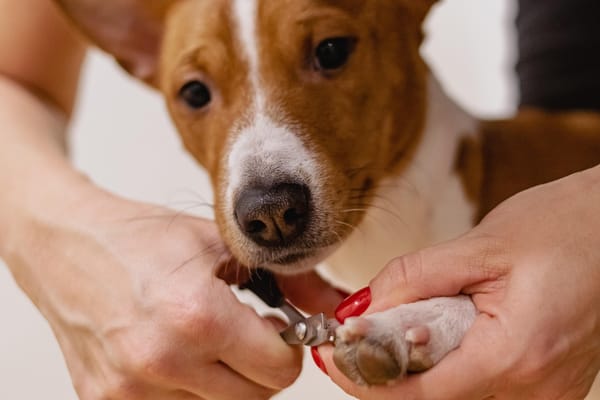
Senior Dog Nail Care: Why It Matters More Than Ever Aging changes everything for our dogs. Their joints stiffen, their activity slows, and small issues that once seemed minor can quietly become major sources of discomfort. Nail care is one of those overlooked areas. What might have been a routine grooming task in younger years becomes a critical part of
How to Keep a Senior Dog Warm and Mobile in Winter Caring for a senior dog during winter is a little different from caring for a younger, more resilient pet. As dogs age, their bodies lose some of the ability to regulate temperature efficiently, and chronic conditions like arthritis often become more noticeable in cold weather. The goal is not just
How to Keep a Senior Dog Comfortable During Summer Heat Summer can be hard on any dog, but for seniors, it can quickly become dangerous. Aging bodies simply do not regulate temperature as efficiently as they once did. Changes in the heart, lungs, and mobility can all make it harder for an older dog to cool down. That means what
Senior Dog Separation Anxiety: Why It Can Start Late in Life It can feel confusing, even a little heartbreaking. Your dog spent years calmly staying home alone, and suddenly, in their senior years, they panic the moment you leave. This shift is more common than many owners realize, and it often has deeper roots than simple “clinginess.” Understanding why separation anxiety
How to Tell if Your Senior Dog Is in Pain Without Crying As dogs age, they become quieter about their discomfort. Many pet owners expect obvious signs like whining or yelping, but senior dogs often suffer in silence. This is not unusual. It is instinct. Dogs are wired to hide weakness, a trait that once protected them in the wild. Because of
The Best Walking Schedule for an Aging Dog Caring for an aging dog often means adjusting routines that once felt automatic. Walks, in particular, become less about burning energy and more about preserving mobility, comfort, and quality of life. The challenge is finding a schedule that keeps your dog active without pushing them too far. There is no
How Often Should You Bathe a Senior Dog? Caring for a senior dog often feels like learning your companion all over again. Their pace slows, their joints stiffen, and their skin becomes more delicate. Bathing, something that once felt routine, suddenly requires more thought. So how often should you bathe a senior dog? The honest answer is: less
What Blood Tests Actually Matter for Senior Dogs? As dogs age, their bodies change in ways that aren’t always visible from the outside. A dog can look perfectly fine while something serious is quietly developing. That’s why blood testing becomes less about reacting to illness and more about catching subtle changes early. Most veterinarians recommend starting
Senior Dog Vision Loss: How to Help Them Adapt at Home Watching your dog grow older brings a quiet shift in daily life. One of the most noticeable changes for many pet owners is declining vision. It can feel unsettling at first, especially when your once-confident companion begins hesitating at stairs or bumping into furniture. But the reassuring truth is this:
How to Support a Senior Dog After Vestibular Disease Few moments are more frightening for a dog owner than watching a senior dog suddenly lose balance, tilt their head, and struggle to stand. It can look like a stroke or something terminal. In many cases, however, this condition is vestibular disease, often called “old dog vestibular syndrome.” The encouraging
What Changes in Poop Are Normal in Senior Dogs? As dogs grow older, subtle shifts in their daily routines often reflect deeper changes inside the body. One of the most overlooked but informative signs of aging is their stool. While it may not be the most pleasant topic, paying attention to your senior dog’s poop can offer early
How to Help a Senior Dog Build Muscle Safely Watching an older dog lose muscle can feel unsettling. Their once-strong back legs soften, their posture changes, and everyday movements become slower. This process, often called sarcopenia, is a natural part of aging in dogs, though it can be worsened by inactivity or illness. The good news is that while
Senior Dog Weight Loss: When It’s Helpful and When It’s a Warning Sign It’s one of those changes that can sneak up on you. One day, your dog seems perfectly fine, and the next, their ribs feel a little sharper under your hand. For many pet owners, weight loss in a senior dog raises a difficult question: Is this normal aging, or
How to Travel Comfortably With a Senior Dog Traveling with a senior dog is one of those experiences that feels both rewarding and quietly demanding. You are not just planning a trip. You are adapting an entire journey around a companion whose needs have changed with age. Older dogs, much like aging humans, often deal with reduced mobility,