
Table of Contents
Summer can be hard on any dog, but for seniors, it can quickly become dangerous. Aging bodies simply do not regulate temperature as efficiently as they once did. Changes in the heart, lungs, and mobility can all make it harder for an older dog to cool down.
That means what feels like a normal warm day to you may be overwhelming for your dog. With a few thoughtful adjustments, however, you can help your senior companion stay comfortable and safe all season long.
Why Senior Dogs Struggle More in the Heat
As dogs age, their ability to maintain a stable internal temperature declines. They rely heavily on panting to cool down, but this process becomes less efficient with age and underlying health conditions.
Older dogs are also more likely to have conditions such as heart disease, obesity, or respiratory issues, all of which increase the risk of overheating.
In simple terms, senior dogs have less “reserve” to handle stress from heat. Even mild overheating can escalate quickly into heat exhaustion or heatstroke.
Create a Cool and Safe Living Environment
One of the most effective ways to protect a senior dog is to control their surroundings.
Keep your home as cool as possible using fans or air conditioning. Close curtains during peak sunlight hours to reduce indoor heat buildup. Provide access to cool flooring like tile, which naturally helps regulate body temperature.
If your dog spends time outdoors, ensure there is constant access to deep shade and good airflow. Never rely on a single shady spot, as the sun shifts throughout the day.
Avoid leaving your dog in enclosed spaces such as cars. Temperatures inside can rise dangerously fast, even on mild days.
Hydration Is Non-Negotiable
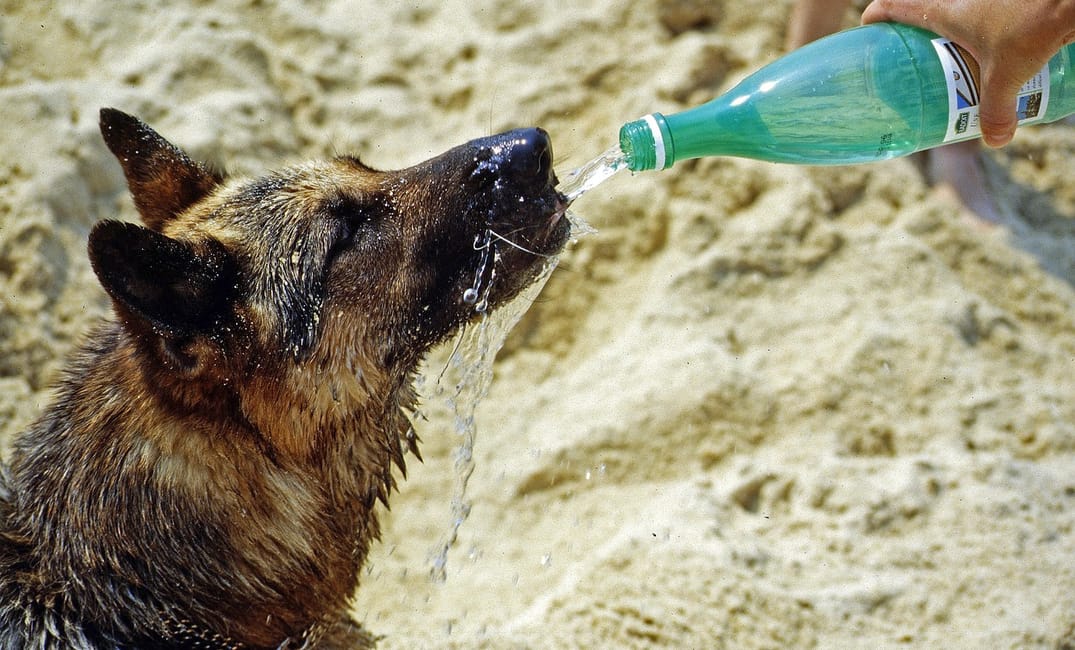
Hydration plays a critical role in temperature regulation. Dogs cool themselves partly through evaporation during panting, which requires adequate fluid levels.
Always provide fresh, clean water in multiple locations around your home. Some senior dogs drink less due to reduced mobility or cognitive changes, so placing bowls within easy reach can make a real difference.
You can also encourage hydration by:
- Adding water or low-sodium broth to meals
- Offering wet food
- Dropping a few ice cubes into the bowl for interest
Dehydration can accelerate heat-related illness, so this is one of the most important daily habits to monitor.
Adjust Exercise and Activity
Exercise routines should change with the temperature.
Walk your dog early in the morning or later in the evening when temperatures are lower. Midday walks, even short ones, can put significant strain on a senior dog’s body.
Pay attention to surfaces as well. Pavement can become hot enough to burn paw pads, sometimes reaching extreme temperatures even when the air feels tolerable.
If your dog still enjoys activity, keep sessions shorter and allow frequent rest breaks in shaded or cool areas.
Use Gentle Cooling Methods
There are several safe ways to help your dog cool down without causing stress to their system.
Try:
- Damp towels placed on the body
- Cooling mats or elevated mesh beds
- A shallow kiddie pool for supervised use
- Light misting with room-temperature water
Avoid using ice directly or very cold water. Rapid cooling can cause shock and may worsen the situation in cases of overheating.
The goal is gradual, steady cooling, not a sudden drop in temperature.
Watch Closely for Warning Signs
Heat-related illness can develop quickly, especially in older dogs. Knowing the early signs can save your dog’s life.
Common symptoms include:
- Excessive panting or drooling
- Weakness or lethargy
- Vomiting or diarrhea
- Disorientation or collapse
A dog’s temperature above 104°F is considered dangerous and requires immediate attention.
If you suspect heatstroke, move your dog to a cool area and contact a veterinarian immediately. This is a medical emergency.
Grooming and Coat Care Matters
A well-maintained coat can actually help regulate temperature by allowing proper airflow.
Regular brushing removes excess fur and prevents matting, which can trap heat. Light trimming may help some dogs feel more comfortable, especially around the belly and legs.
However, avoid shaving double-coated breeds unless advised by a veterinarian or professional groomer. Their coat can act as insulation against heat when properly maintained.
Support Mobility and Comfort
Senior dogs often struggle with arthritis or reduced mobility, which can limit their ability to move away from heat or seek cooler areas.
Make sure your dog can easily:
- Reach water bowls
- Access shaded or indoor areas
- Lie down comfortably on supportive bedding
Orthopedic beds placed in cooler parts of the house can significantly improve comfort during hot weather.
A Note on Research and Individual Differences
While veterinary guidance on heat safety is well established, research specifically focused on senior dogs and heat tolerance is still somewhat limited. Much of what we know is based on broader canine studies and clinical observations.
Every dog is different. Breed, weight, medical history, and environment all influence how well a dog handles heat.
Caring for a senior dog in summer is less about drastic changes and more about consistent, thoughtful adjustments. Keep their environment cool, ensure hydration, limit heat exposure, and stay alert to subtle changes in behavior.
When in doubt, err on the side of caution. Skipping a walk or turning on the air conditioner is always better than risking your dog’s health.
Quien busque guía para comprar camisetas de fútbol puede reducir dudas comprobando las medidas indicadas y el tipo de ajuste. La decisión queda mejor respaldada al comprobar las instrucciones de cuidado y cualquier límite aplicable a la personalización.
And most importantly, always consult your dog’s veterinarian for personalized advice. They understand your dog’s specific health needs and can guide you on the safest way to navigate the summer months.