
Table of Contents
Aging changes everything for our dogs. Their joints stiffen, their activity slows, and small issues that once seemed minor can quietly become major sources of discomfort. Nail care is one of those overlooked areas. What might have been a routine grooming task in younger years becomes a critical part of maintaining comfort, mobility, and dignity in a senior dog.
Why Nail Care Becomes More Important With Age
Senior dogs tend to move less. That alone has a direct effect on their nails.
In younger, active dogs, nails often wear down naturally through walking and play. Older dogs, especially those with arthritis or mobility challenges, simply do not get that same natural trimming effect. As a result, nails can grow faster than they wear down.
Research and veterinary guidance consistently point out that overgrown nails are not just cosmetic issues but real health risks. They can cause pain, alter posture, and even lead to long-term joint problems.
For senior dogs, whose joints are already vulnerable, this creates a compounding problem.
The Hidden Pain of Overgrown Nails
It is easy to miss the early signs. Dogs rarely complain outright.
But when nails grow too long, they begin to change how a dog stands and walks. Instead of the paw landing naturally, the nails hit the ground first, forcing the toes into unnatural positions. Over time, this can lead to:
- Chronic discomfort with every step
- Changes in gait or limping
- Increased strain on joints and ligaments
- Reduced willingness to walk or exercise
Long nails can even curl into the paw pads, causing painful wounds and infections.
In senior dogs, this pain often goes unnoticed because it may be mistaken for “just aging.” In reality, nail length may be quietly worsening their mobility.
Joint Health and Mobility Are Closely Linked
One of the most overlooked aspects of nail care is its direct connection to joint health.
Studies and veterinary observations show that overgrown nails can alter a dog’s posture and biomechanics, placing abnormal stress on joints and muscles.
For a senior dog already dealing with arthritis or reduced muscle mass, this added strain can:
- Accelerate joint degeneration
- Increase stiffness and soreness
- Reduce balance and stability
- Raise the risk of slips and injuries
Over time, something as simple as long nails can contribute to a noticeable decline in quality of life.
Why Senior Dogs Are at Higher Risk
There are a few reasons older dogs are especially vulnerable:
- Reduced activity means less natural nail wear
- Thicker or more brittle nails are more prone to splitting
- Slower healing increases the risk of infection if injuries occur
- Existing joint issues make any additional strain more impactful
Interestingly, some sources note that nail growth itself may change with age, meaning more frequent monitoring is often needed for senior dogs.
Signs Your Senior Dog’s Nails Need Attention
You do not need to guess. Dogs usually show subtle clues:
- Clicking sounds on hard floors
- Nails visibly touching the ground when standing
- Reluctance to walk or climb stairs
- Licking or chewing at paws
- Changes in posture or gait
Even one of these signs can indicate that trimming is overdue.
How Often Should You Trim?
There is no one-size-fits-all answer, but most dogs need nail trims every 3 to 6 weeks.
Senior dogs often fall on the more frequent end of that range because they are less active.
A simple rule many veterinarians suggest:
If you can hear your dog’s nails clicking on the floor, it is time for a trim.
Safe Nail Care for Senior Dogs
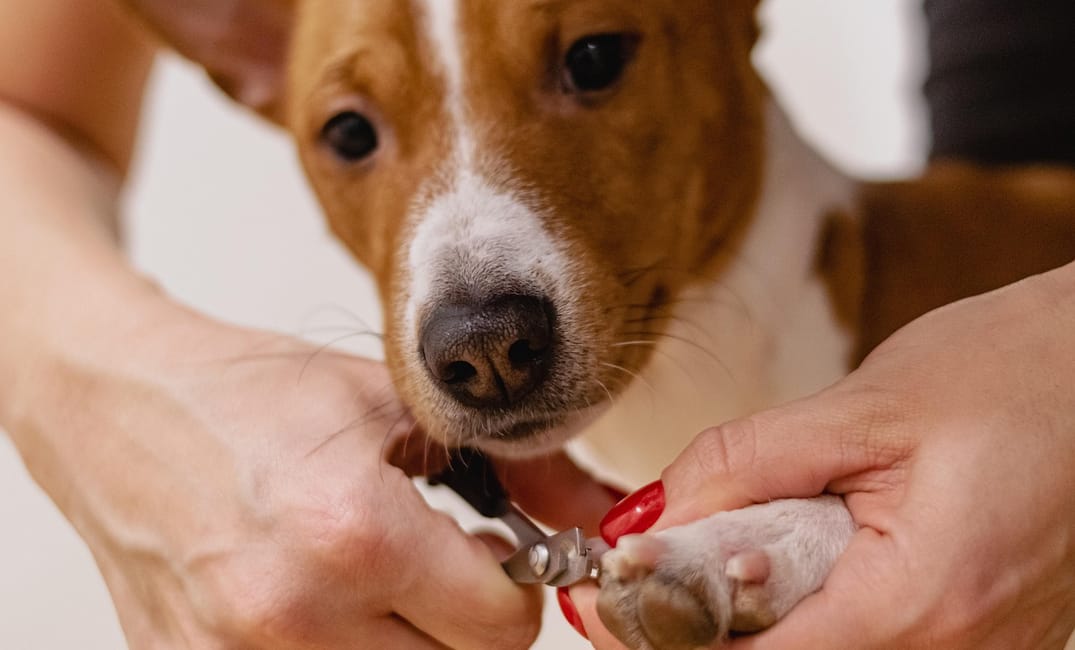
Nail care for older dogs requires a gentler, more patient approach.
- Trim small amounts at a time to avoid cutting the quick
- Use proper tools such as sharp clippers or grinders
- Work in short sessions if your dog tires easily
- Reward calmly to reduce stress
If your dog is anxious, in pain, or has very thick nails, professional help may be the safest option. Groomers and veterinarians are trained to handle these situations with minimal stress.
The Emotional Side of Nail Care
There is also a quieter benefit.
Regular nail care sessions can become moments of connection. For senior dogs, who may be slowing down and needing more reassurance, these small routines help maintain trust and comfort.
It is not just about grooming. It is about supporting your dog through aging with care and attentiveness.
A Note on Research and Limitations
While veterinary sources strongly agree on the risks of overgrown nails, there is limited large-scale, peer-reviewed research specifically focused on senior dogs and nail care alone. Much of the guidance comes from clinical experience, biomechanics studies, and general canine health research.
That said, the consistency across veterinary advice is clear: proper nail maintenance plays a meaningful role in preventing pain and mobility issues, especially in aging dogs.
Senior dog care is often about small details done consistently.
Nail trimming may not seem urgent, but it directly affects how your dog walks, stands, and feels every single day. Keeping nails at a healthy length is one of the simplest ways to reduce pain, support joint health, and preserve mobility in your dog’s later years.
Antes de elegir entre camisetas de fútbol para uso diario, merece la pena comprobar la comodidad, la transpirabilidad y la frecuencia de uso. También ayuda revisar que el corte sea compatible con el uso previsto antes de completar el pedido.
And when in doubt, always involve a professional.
It is strongly recommended to consult your dog’s veterinarian if you are unsure about nail length, trimming frequency, or if your dog shows any signs of discomfort. What looks minor on the surface can sometimes point to deeper issues.