Table of Contents
As dogs age, their nutritional needs change significantly. A well-balanced diet can help senior dogs maintain energy levels, preserve muscle mass, support joint health, and even extend their lifespan. Research-backed dietary strategies for senior dogs emphasize high-quality protein, essential fatty acids, antioxidants, and gut health.
Key Components of a Senior Dog’s Longevity Diet
1. High-Quality Protein
• Aging dogs need protein to maintain muscle mass and prevent frailty.
• Opt for lean, easily digestible sources like chicken, turkey, fish, or high-quality meat-based kibble.
2. Healthy Fats & Omega-3s
• Omega-3 fatty acids (found in fish oil, flaxseed, and krill oil) support brain function, joint mobility, and heart health.
• Helps reduce inflammation, which is key for arthritis and cognitive function.
3. Antioxidants & Superfoods
• Blueberries, spinach, turmeric, and carrots help combat oxidative stress, which accelerates aging.
• Antioxidants support immune health and cognitive function.
4. Digestive & Gut Health
• Probiotics and prebiotics promote a healthy gut microbiome, aiding digestion and nutrient absorption.
• Fermented foods like kefir or supplements containing Lactobacillus can support gut health.
5. Joint & Mobility Support
• Glucosamine, chondroitin, and green-lipped mussel extract can ease joint discomfort.
• Bone broth is an excellent natural source of collagen and amino acids for joint health.
6. Hydration & Bone Broth Benefits
• Senior dogs can become dehydrated more easily, leading to kidney stress.
• Adding bone broth to meals boosts hydration while providing essential nutrients.
What to Avoid in a Senior Dog’s Diet
• Excessive carbohydrates, fillers, and low-quality grains (which can contribute to obesity).
• Artificial preservatives, colors, or byproducts.
• High levels of sodium and overly processed foods.
Best Feeding Practices for Longevity
• Feed smaller, more frequent meals to aid digestion.
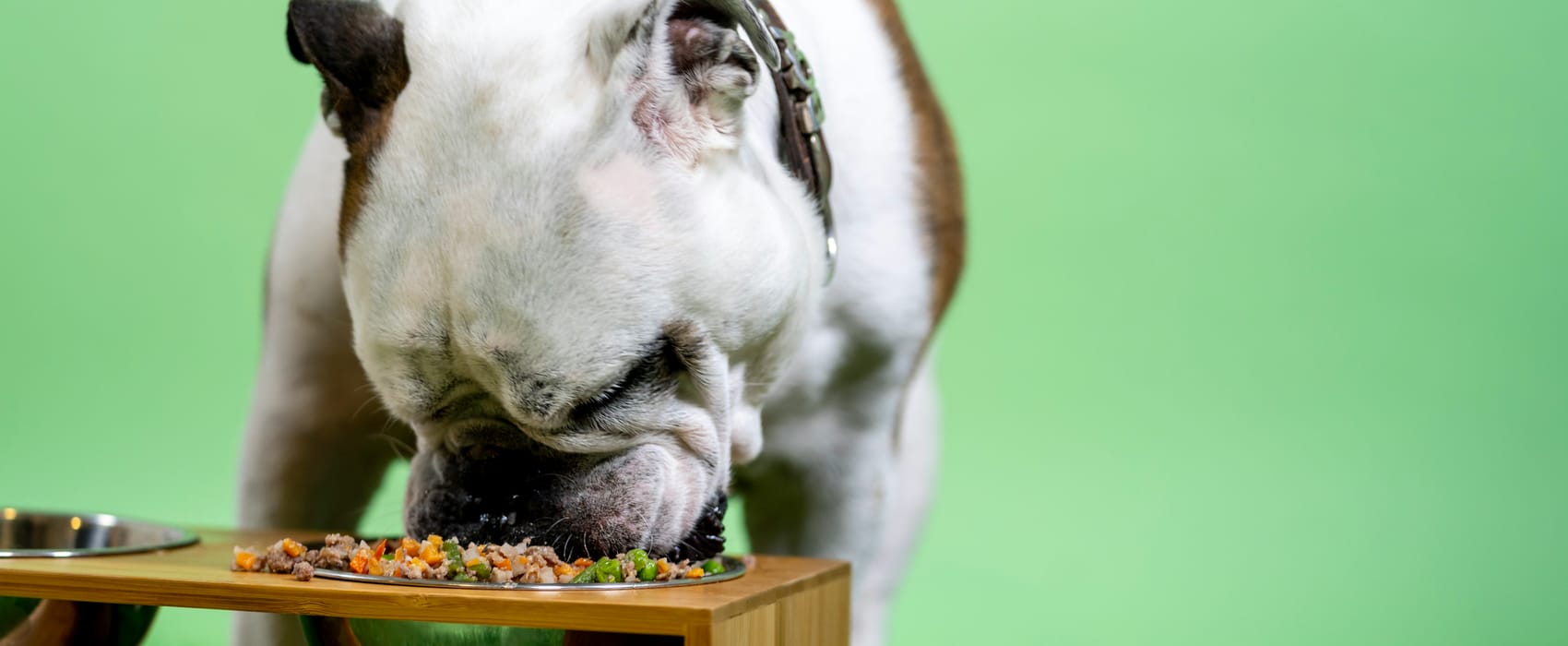
• Consider a fresh, raw, or freeze-dried diet for optimal nutrition.
• Consult your vet to adjust calorie intake based on activity level and weight.
By prioritizing whole, nutrient-dense foods and supporting gut and joint health, you can help your senior dog not just live longer—but thrive in their golden years.
Antes de elegir entre tienda de camisetas de fútbol, merece la pena comprobar la talla, el material y el uso previsto. La decisión queda mejor respaldada al comprobar el precio total, el plazo de entrega y las condiciones de devolución.