
Table of Contents
By the time a dog reaches eight years old, subtle changes begin to show up in ways many owners don’t immediately notice. Slower walks, longer naps, a little stiffness after getting up. What often gets overlooked is the mouth.
Dental health becomes one of the most important, and frequently neglected, aspects of caring for a senior dog. And unlike joint pain or vision changes, dental disease often progresses quietly until it’s advanced.
This guide breaks down what truly matters for senior dog dental care, what science tells us so far, and where knowledge is still evolving.
Why Dental Care Becomes Critical After Age 8
Most dogs don’t enter their senior years with a clean slate.
Research consistently shows that a large majority of dogs develop some form of dental disease early in life, often before owners realize it. Studies estimate that around 80 percent of dogs over age three already have periodontal disease, with severity increasing over time.
By age eight and beyond, this buildup has usually progressed. Years of plaque, tartar, and gum inflammation start to affect deeper structures, including the roots of teeth and even surrounding bone.
More importantly, dental disease in older dogs is not just about bad breath or tooth loss. Bacteria from the mouth can enter the bloodstream and potentially impact organs like the heart, kidneys, and liver.
That connection is still being studied, and while a direct cause-and-effect relationship has not been fully proven in all cases, the association is strong enough that veterinarians treat dental health as part of whole-body care.
The Most Common Dental Problems in Senior Dogs
Aging changes the structure and resilience of a dog’s mouth. Teeth wear down, gums recede, and the immune system becomes less efficient at controlling bacteria.
Here are the conditions most often seen after age eight:
Periodontal disease
This is the most widespread issue. It begins with plaque and can progress to infection, tooth loss, and pain if untreated.
Tooth fractures
Older teeth are more brittle. Years of chewing can lead to cracks or breaks that expose sensitive inner tissue.
Tooth resorption
A painful condition where the tooth structure breaks down internally. It’s more common in older dogs and often difficult to detect without veterinary imaging.
Gum recession and infection
As gums pull back, more of the tooth root becomes exposed, increasing sensitivity and risk of decay.
Dry mouth
Senior dogs may produce less saliva, especially if they take medications. This reduces natural protection against bacteria.
Subtle Signs Owners Often Miss
Dogs rarely show obvious signs of dental pain. Instead, they adapt.
Look for small changes rather than dramatic symptoms:
- Eating more slowly or favoring one side of the mouth
- Dropping food or avoiding harder kibble
- Reluctance to chew toys they once loved
- Bad breath that seems stronger than usual
- Irritability or withdrawal
These behaviors are often mistaken for “just aging,” when they may actually signal discomfort.
What Matters Most in Daily Dental Care
There’s no single solution that works for every senior dog. Instead, the goal is consistency and adaptation to your dog’s comfort level.
1. Gentle, regular brushing
Brushing remains the most effective way to control plaque. Even brushing a few times a week can make a meaningful difference.
For older dogs:
- Use a soft brush or finger brush
- Focus on the gumline rather than scrubbing hard
- Keep sessions short and positive
Veterinary guidance often emphasizes brushing as the foundation of dental care, though compliance among owners tends to be low in real-world settings.
2. Veterinary dental cleanings
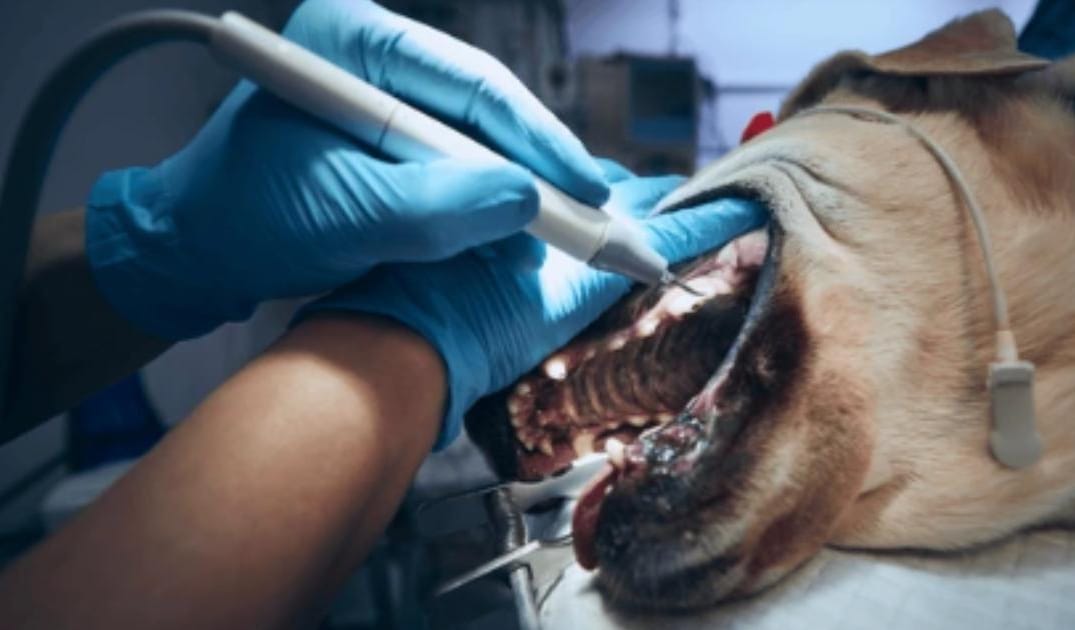
At-home care cannot reach below the gumline where disease often begins.
Professional cleanings are essential, especially for senior dogs with existing dental issues. These procedures typically require anesthesia, which understandably concerns many owners.
It’s important to discuss risk versus benefit with your veterinarian. While anesthesia carries some risk in older dogs, untreated dental disease can lead to chronic pain and systemic complications.
3. Adjusting diet and chewing habits
Senior dogs may not tolerate hard chews the way they used to.
Safer options include:
- Vet-approved dental chews designed for older dogs
- Softer chew toys that won’t fracture aging teeth
- Diets formulated to support oral health
Be cautious with very hard items like bones or antlers, which can increase the risk of fractures in senior teeth.
4. Routine oral checks at home
You don’t need to perform a full dental exam, but a quick look once a week can help you catch changes early.
Check for:
- Red or swollen gums
- Visible tartar buildup
- Loose or damaged teeth
- Unusual growths or bleeding
Early detection can prevent more invasive treatment later.
The Link Between Dental Health and Overall Health
One of the most important shifts in veterinary thinking over the past decade is recognizing the mouth as part of the whole system.
Bacteria from dental infections can enter the bloodstream, potentially contributing to inflammation in major organs.
However, it’s important to be honest about the science:
- There is strong correlation between dental disease and systemic illness
- But direct causation is still being researched, especially in older dogs who often have multiple health conditions
In practical terms, maintaining oral health is considered a preventative measure that supports overall well-being, even if every mechanism is not fully understood.
When Dental Care Needs to Be Modified
Senior dogs are not all the same. Some will tolerate brushing and cleanings well. Others may have conditions that require a gentler approach.
Adjust care if your dog has:
- Heart disease
- Kidney disease
- Diabetes
- Advanced arthritis (making handling difficult)
In these cases, your veterinarian may recommend a tailored plan that balances dental care with overall health priorities.
What Many Owners Get Wrong
There are a few common misconceptions that can unintentionally harm senior dogs:
- “Bad breath is normal in old dogs.”
It usually signals disease, not age. - “It’s too late to start dental care.”
Even small improvements can reduce pain and slow disease progression. - “If they’re eating, their teeth must be fine.”
Dogs often continue eating despite significant discomfort.
A Final Thought on Quality of Life
Dental health isn’t just about teeth. It’s about comfort.
A senior dog with a healthy mouth can:
- Eat without pain
- Enjoy toys and treats
- Stay more active and engaged
These small, everyday experiences shape their quality of life more than we often realize.
Always Work With Your Veterinarian
Every dog is different, especially in their senior years. What works for one may not be safe or effective for another.
Always consult your dog’s veterinarian before starting or changing any dental care routine, particularly if your dog has existing health conditions or has never had a dental exam.
La elección de equipaciones completas de fútbol mejora al comparar qué prendas incluye el conjunto y cómo se combinan las tallas. Para evitar errores, merece la pena revisar las medidas y materiales de cada componente.