
Why Your Senior Dog’s Mobility Plan Should Change as They Age

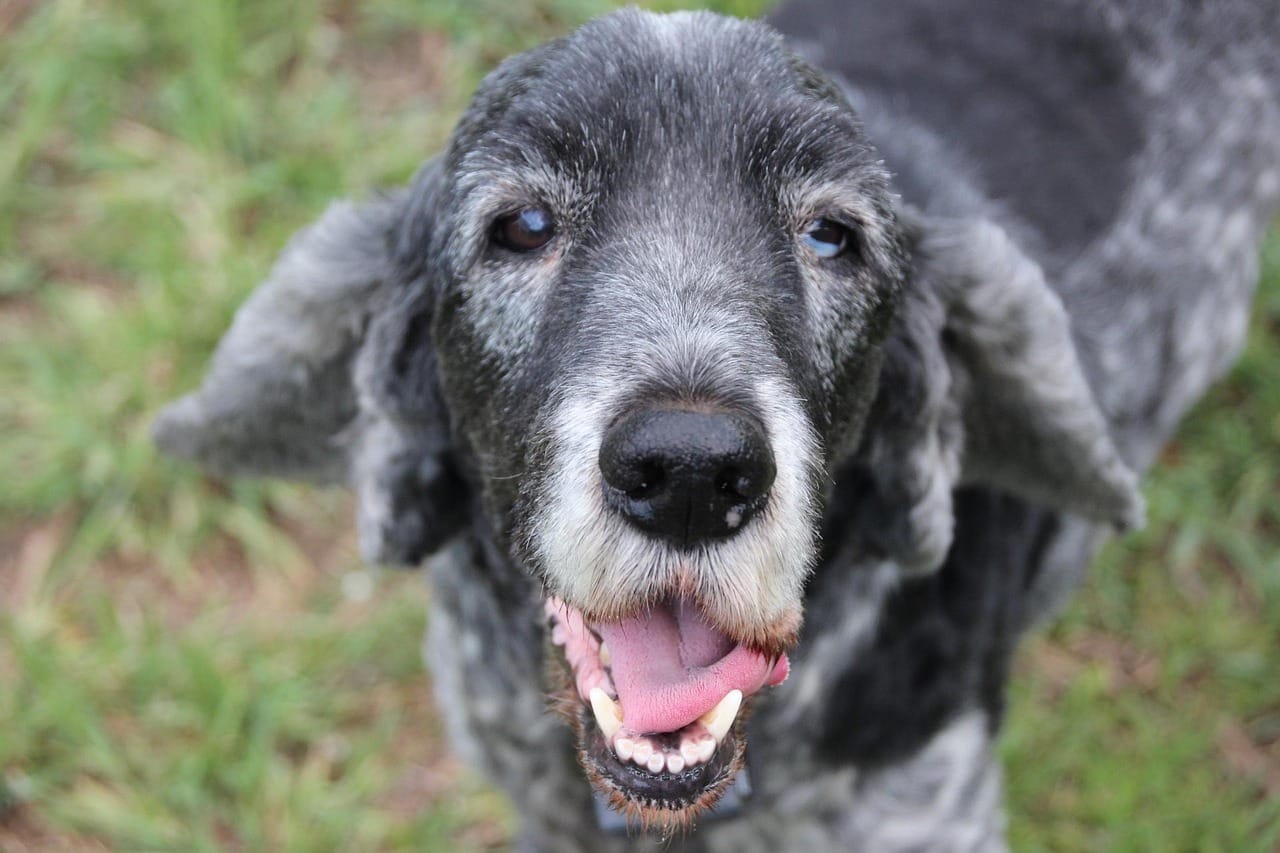
A mobility plan that works well for a senior dog today may not be the right plan six months or a year from now. Aging is a continuing process, and changes in joints, muscles, body weight, overall health, and daily activity can alter what a dog needs to remain comfortable and active.
For that reason, senior mobility care is best viewed as an ongoing process rather than a fixed routine. Regularly reviewing the plan can help owners and veterinarians identify what is working, what is no longer helping enough, and where adjustments may be appropriate.
Pain Can Change Over Time
One of the most important reasons to reassess a mobility plan is that a dog's level of discomfort can change.
Chronic musculoskeletal conditions such as osteoarthritis may progress over time. Pain can also be subtle in older dogs. Instead of crying or obviously limping, a dog might hesitate before standing, move more slowly on stairs, stop jumping onto furniture, sleep more, or become less interested in walks.
The American Animal Hospital Association notes that owners sometimes interpret behavioral changes caused by chronic pain as normal aging. It recommends ongoing pain assessment and describes senior mobility care as multimodal, potentially involving medication, weight management, rehabilitation, environmental changes, and other approaches.
If a previously comfortable dog begins struggling with ordinary activities, the change deserves attention rather than simply being attributed to age.
Muscle Strength and Balance May Decline
Mobility is about more than joints. Dogs also rely on muscle strength, coordination, and balance to stand, walk, climb, and recover when they slip.
An older dog that once handled a particular walking schedule may eventually need shorter outings, different surfaces, or veterinary-guided strengthening and rehabilitation. Conversely, automatically reducing activity simply because a dog is older may not always be beneficial. Appropriate movement can be an important component of maintaining physical function.
The right amount and type of exercise depend on the individual dog. A veterinarian or veterinary rehabilitation professional can help determine what level of activity is appropriate, particularly when arthritis, neurological problems, injuries, or other medical conditions are present.
Weight Changes Affect the Mobility Plan
Body weight deserves regular attention as well.
Extra weight increases the mechanical demands placed on a dog's body, while adipose tissue is also biologically active and is associated with inflammatory processes. AAHA identifies weight optimization as an important nonpharmacologic component of chronic pain management.
Weight loss is not the only change that matters. Some senior dogs lose muscle or body weight as they age. An unexplained change in weight can indicate a medical problem and should be discussed with a veterinarian.
As a dog's body composition changes, calorie intake, exercise, rehabilitation goals, and other elements of the mobility plan may need to change with it.
New Health Conditions Can Change What Is Appropriate
Senior dogs are more likely to develop health problems that extend beyond their joints. Kidney or liver disease, heart disease, neurological conditions, cancer, endocrine disorders, and other illnesses can influence mobility directly or affect which treatments are appropriate.
AAHA's senior-care guidelines recommend regular veterinary evaluation and note that senior examinations should include attention to joints, muscles, the spine, movement, and other body systems. Periodic diagnostic testing may also be appropriate depending on the dog's age and medical history.
This is particularly important when medications or supplements are involved. Something that was appropriate when a dog was younger or healthier may require reconsideration after a new diagnosis or medication change.
Never change the dose or discontinue a prescribed pain medication without discussing it with the dog's veterinarian.
Daily Activity Is Useful Information
Owners see aspects of mobility that may not appear during a short veterinary appointment.
Pay attention to ordinary activities such as:
- How easily the dog gets up after sleeping
- How long the dog comfortably walks
- Whether stairs have become more difficult
- Whether the dog slips on smooth flooring
- Whether jumping into a vehicle has changed
- How quickly the dog recovers after exercise
- Whether enthusiasm for play or walks has increased or decreased
Videos can be especially useful. AAHA recommends owner-recorded videos as one way veterinarians can evaluate mobility and monitor changes over time.
A thirty-second video of a dog standing, walking, or using stairs every few weeks can sometimes reveal gradual changes that are difficult to notice from memory alone.
Supplements and Treatments Should Be Evaluated, Not Assumed to Work
Senior mobility plans often contain several components, including supplements. The response to these products can vary, and evidence is not equally strong for every ingredient.
A 2022 systematic review and meta-analysis examining nutraceuticals and therapeutic diets for canine and feline osteoarthritis found stronger evidence for omega-3-enriched diets and omega-3 supplements, while evidence for some other commonly used ingredients was weak or showed little analgesic benefit.
This is an area where it is important to acknowledge the limitations of research. Studies of veterinary supplements can differ substantially in product formulation, dose, study size, outcome measurements, and methodological quality. Evidence supporting one ingredient or formulation also cannot automatically be applied to every product containing that ingredient.
Owners should therefore avoid assuming that a supplement is working simply because it is marketed for joint health. The more useful question is whether the individual dog is showing a measurable improvement without concerning side effects.
Where The Frosted Muzzle Mobility System Can Fit
The Frosted Muzzle Mobility System combines mobility-oriented supplements and at-home care components intended for senior dogs.
It can be considered as one flexible part of a broader mobility strategy rather than a replacement for veterinary diagnosis or treatment.
For example, a dog's overall plan might combine veterinarian-directed pain management, appropriate exercise, weight management, rehabilitation, changes to the home environment, and selected supplements. Which components make sense can change as the dog ages.
Importantly, some ingredients promoted in mobility supplements have substantially more research behind them than others, and evidence for many nutraceutical ingredients remains limited or inconsistent. Product-specific marketing claims should not be treated as equivalent to clinical evidence. A veterinarian should review supplement ingredients and doses, particularly if the dog takes medications or has other health conditions.
Track Results Before Deciding What to Change
It is difficult to judge a mobility plan accurately based on memory alone. Gradual improvements and declines can both be easy to miss.
A simple weekly record can make the plan easier to evaluate. Owners might score several activities from 1 to 5, such as ease of standing, walking comfort, stair use, willingness to play, and recovery after activity. Body weight, walking duration, medication or supplement changes, and unusual symptoms can also be recorded.
The goal is not to produce perfect clinical data. It is to establish a consistent baseline.
If a new supplement, exercise program, medication, or environmental change is introduced, tracking the dog's function before and afterward provides more useful information for the veterinarian. When several interventions are changed simultaneously, it may become difficult to determine which change produced a particular result.
Review the Whole Plan Regularly
There is no universal schedule for adjusting every senior dog's mobility care. Some dogs remain stable for long periods, while others change quickly.
A review becomes especially important when you notice increased stiffness or limping, difficulty standing, reduced walking tolerance, unexpected weight change, falls or slipping, new behavioral changes, reduced appetite, gastrointestinal problems, or other new symptoms.
Regular veterinary examinations are also valuable even when mobility appears stable. They provide an opportunity to reassess pain, body condition, muscle mass, medications, supplements, exercise, and underlying health conditions.
A senior dog's mobility plan should evolve with the dog. What matters is not maintaining the same routine indefinitely, but repeatedly asking whether the current combination of treatments, activity, nutrition, supplements, and home support is still appropriate.
Research on several supplements and complementary mobility treatments remains limited, and individual responses cannot be predicted with certainty. Before adding, stopping, changing, or adjusting supplements, medications, exercise programs, or other treatments, consult your dog's veterinarian. Together, ongoing observation at home and regular veterinary assessment can help keep the mobility plan aligned with the dog's changing needs.