
Table of Contents
As dogs grow older, their relationship with exercise often changes. A senior dog that once bounded out the door with endless enthusiasm may now hesitate at the sight of a leash or tire more quickly than before. For many pet owners, this raises an important question: Does my older dog still enjoy walks, or am I pushing them beyond their comfort level?
The answer is not always straightforward. Aging affects every dog differently. Some remain energetic and eager to explore well into their golden years, while others develop physical limitations that make traditional walks less enjoyable. Understanding the subtle signs your dog gives you can help ensure that daily walks remain a source of enrichment rather than discomfort.
Why Walks Still Matter for Senior Dogs
Even in old age, most dogs benefit from regular walks. Exercise helps maintain muscle mass, joint mobility, cardiovascular health, and a healthy weight. Walks also provide valuable mental stimulation through new sights, sounds, and scents.
Research has shown that regular physical activity can help improve mobility and overall quality of life in aging dogs. However, the ideal amount and intensity of exercise varies greatly depending on the dog's age, breed, health status, and individual personality.
It is important to note that scientific research specifically examining whether senior dogs "enjoy" walks remains somewhat limited. Most studies focus on physical health outcomes rather than emotional responses. As a result, owners must rely heavily on behavioral observations to gauge their dog's enjoyment.
Signs Your Senior Dog Still Loves Walks
A dog that enjoys walks will often communicate that enthusiasm clearly, even if they move more slowly than they once did.
They Get Excited When You Grab the Leash
One of the most obvious signs is anticipation. Your senior dog may:
- Follow you when you pick up the leash
- Wag their tail
- Approach the door eagerly
- Display alert, bright body language
- Show excitement without signs of anxiety
While older dogs may not jump around as energetically as younger dogs, many still demonstrate clear interest when walk time arrives.
They Move Willingly Once Outside
Pay attention to how your dog behaves after leaving the house.
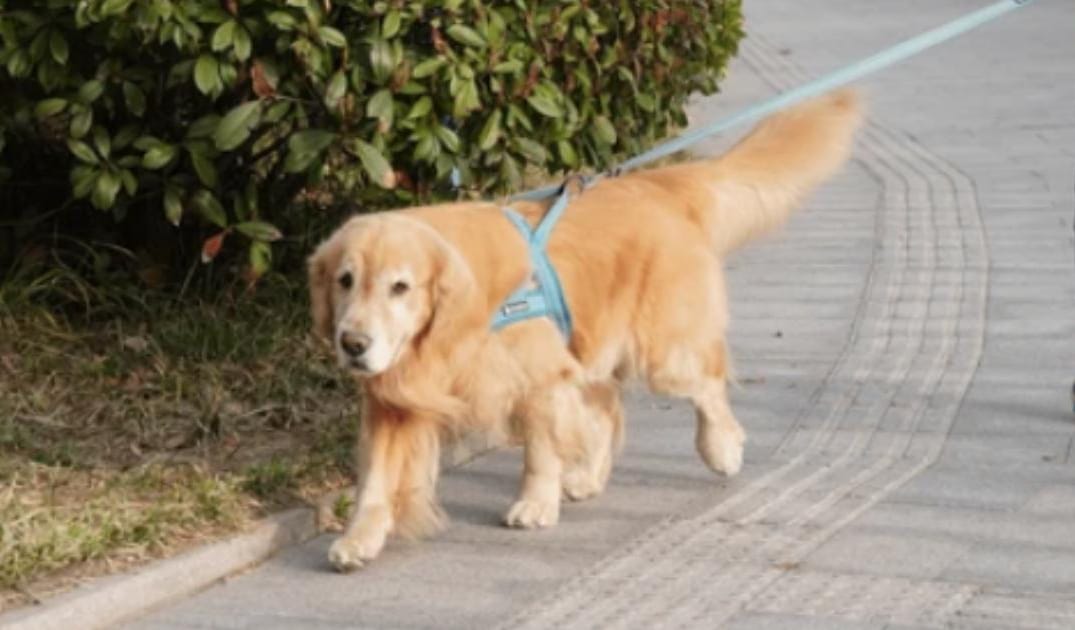
A dog that enjoys the outing generally walks willingly and appears engaged with their surroundings. They may stop frequently to sniff, observe people, or investigate scents left by other animals.
For dogs, sniffing is not a distraction from the walk. It is often one of the most enjoyable parts of the experience.
They Seem Curious and Mentally Engaged
Many senior dogs slow down physically but remain highly interested in their environment.
Signs of engagement include:
- Sniffing frequently
- Looking around attentively
- Watching birds, squirrels, or people
- Exploring new routes
- Investigating interesting smells
Mental stimulation can be just as valuable as physical exercise for aging dogs.
They Return Home Relaxed and Content
After a satisfying walk, many dogs appear calm and comfortable. They may rest peacefully, seem mentally fulfilled, and display relaxed body language.
A dog that consistently returns home appearing happy and settled is often benefiting from the experience.
Signs Your Senior Dog May No Longer Enjoy Walks
Not every senior dog continues to enjoy walks in the same way they once did. Aging, arthritis, vision loss, cognitive decline, and other medical conditions can affect their experience.
They Resist Leaving the House
A dog that regularly avoids walks may be communicating discomfort.
Watch for behaviors such as:
- Refusing to approach the door
- Hiding when the leash appears
- Lying down when asked to walk
- Reluctance to stand up
Occasional reluctance is normal, especially during poor weather. Persistent avoidance deserves closer attention.
They Frequently Stop or Turn Around
Some senior dogs begin signaling that they have reached their limit.
Your dog may:
- Stop repeatedly
- Sit down unexpectedly
- Attempt to head back home
- Slow dramatically after a short distance
These behaviors can indicate fatigue, pain, or reduced endurance.
They Show Signs of Pain
Pain is one of the most common reasons older dogs stop enjoying walks.
Potential warning signs include:
- Limping
- Stiffness
- Difficulty standing up
- Lagging behind
- Heavy panting unrelated to temperature
- Reluctance to climb stairs or curbs
Pain should never be dismissed as a normal part of aging. Many conditions that affect senior dogs can be managed successfully with veterinary care.
They Seem Anxious or Confused
Senior dogs can experience age-related cognitive decline, sometimes called canine cognitive dysfunction.
Signs may include:
- Appearing disoriented outdoors
- Becoming anxious during familiar routes
- Getting "stuck" in corners or obstacles
- Increased startle responses
- Hesitation in unfamiliar environments
For these dogs, long or complicated walks may become stressful rather than enjoyable.
Understanding Arthritis and Mobility Issues
Arthritis is one of the most common health problems affecting older dogs.
Studies estimate that a significant percentage of senior dogs develop osteoarthritis, although exact prevalence varies across studies and populations. Arthritis can cause chronic pain, stiffness, and reduced mobility.
Interestingly, many dogs with arthritis still enjoy walks. The key difference is that they may require adjustments such as:
- Shorter distances
- More frequent breaks
- Softer walking surfaces
- Slower pace
- Appropriate pain management
A dog with arthritis may continue to benefit greatly from gentle exercise when their condition is properly managed.
Watch Their Body Language During the Walk
Body language often provides the clearest clues about your dog's experience.
Signs your dog is comfortable:
- Relaxed posture
- Loose tail movement
- Normal breathing
- Interest in surroundings
- Smooth gait
Signs your dog may be struggling:
- Tucked tail
- Flattened ears
- Excessive panting
- Frequent stumbling
- Reluctance to continue
- Tension in the body
The overall pattern matters more than any single behavior.
Adjusting Walks for an Aging Dog
If your senior dog still enjoys going outside but struggles with traditional walks, modifications can help.
Shorter Walks Can Be Better
Many older dogs prefer multiple short walks rather than one long outing.
For example, three ten-minute walks may be more comfortable than a single thirty-minute walk.
Let Them Set the Pace
Senior dogs often benefit when owners slow down and allow more time for exploration.
The goal is not necessarily distance. It is enjoyment and enrichment.
Choose Comfortable Terrain
Hard pavement can be challenging for aging joints.
When possible, consider:
- Grass
- Dirt trails
- Flat surfaces
- Areas with minimal obstacles
Avoid steep hills if your dog shows signs of difficulty.
Consider Alternative Activities
Some dogs eventually enjoy outdoor experiences more than actual walking.
Alternatives may include:
- Sniffing sessions in the yard
- Short car rides followed by brief exploration
- Visits to quiet parks
- Gentle play
- Food puzzles and enrichment activities at home
For some senior dogs, these activities can provide similar benefits with less physical strain.
When to Talk to Your Veterinarian
Any sudden change in your dog's enthusiasm for walks warrants attention.
Schedule a veterinary examination if you notice:
- New reluctance to walk
- Limping
- Significant slowing down
- Excessive panting
- Signs of pain
- Behavioral changes
- Confusion or disorientation
A veterinarian can evaluate for arthritis, neurological conditions, heart disease, respiratory issues, and other health concerns that may affect your dog's ability to enjoy exercise.
Never assume that slowing down is simply "old age." Many underlying causes can be treated or managed effectively.
Every Senior Dog Is Different
One of the biggest misconceptions about aging dogs is that they all want less activity. In reality, some senior dogs remain enthusiastic walkers throughout their lives, while others prefer shorter and gentler outings.
The most important thing is learning to listen to your individual dog.
A slower pace does not necessarily mean a dog has stopped enjoying walks. In many cases, they still love the opportunity to explore, sniff, and spend time with their favorite person. The key is adapting the experience to meet their changing needs.
By paying attention to their behavior, comfort level, and overall health, you can help ensure that walks remain one of the highlights of your senior dog's day.
Always consult your dog's veterinarian if you notice changes in mobility, behavior, endurance, or enthusiasm for walks. Your veterinarian is the best source of guidance for creating a safe and enjoyable exercise routine tailored to your dog's individual needs.
Sources
American Veterinary Medical Association (AVMA)
https://www.avma.org
American Animal Hospital Association (AAHA)
https://www.aaha.org
Cornell University College of Veterinary Medicine
https://www.vet.cornell.edu
Merck Veterinary Manual
https://www.merckvetmanual.com
A shirt with a classic badge is a symbol of heritage. A shirt with a comfortable cut is often the top priority for buyers. For people considering football shirt folding and storage, concise notes on printed details, care and storage can help clarify what to check next. A shirt with a modern badge can be a symbol of belonging.
American College of Veterinary Surgeons (ACVS)
https://www.acvs.org