
Table of Contents
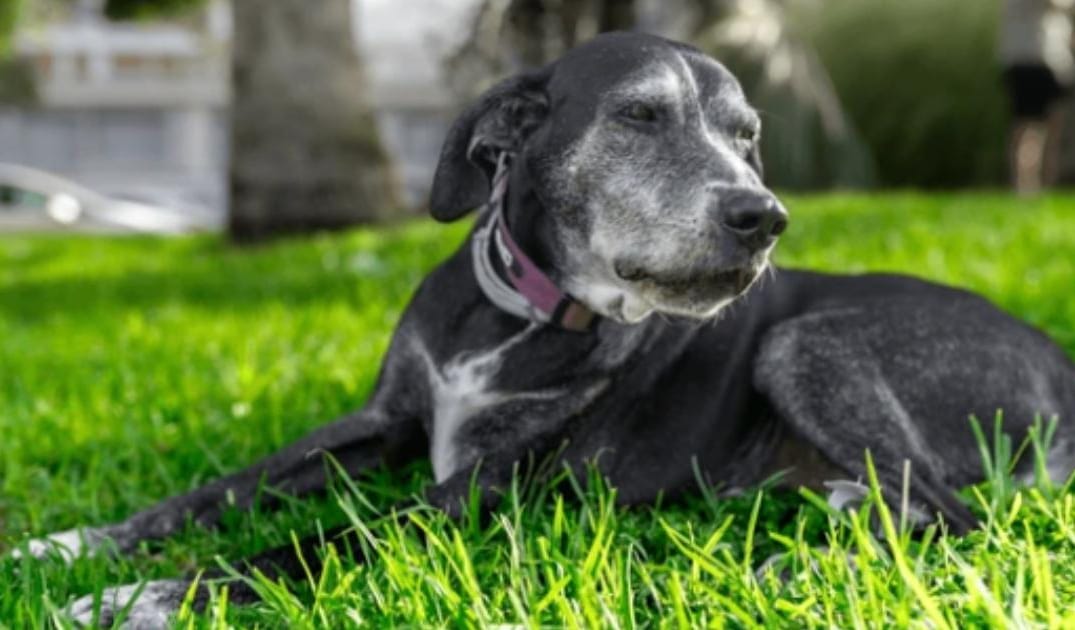
Watching your dog enter their senior years can bring a mix of emotions. It is a reminder that the puppy who once raced through the house now moves a little slower, sleeps a little longer, and may need more support than before. While many dogs remain active and happy well into their teens, the transition into seniorhood is an important time to become more proactive about their health.
For many medium-sized dogs, age 8 is considered the beginning of the senior stage. Large and giant breeds may reach senior status earlier, while smaller breeds often age more slowly and may not be considered seniors until closer to age 10 or 11. Regardless of breed, the first year after entering the senior stage is a critical period for establishing habits that can help maintain quality of life.
This month-by-month plan focuses on practical steps owners can take during the first year after their dog turns 8. It is designed to help identify health concerns early, support mobility, maintain cognitive function, and strengthen the bond you share with your aging companion.
Every dog ages differently. Always consult your veterinarian before making significant changes to your dog's diet, exercise routine, supplements, or medical care.
Month 1: Schedule a Senior Wellness Examination
The first month should begin with a comprehensive veterinary visit.
Many age-related diseases develop gradually and may not show obvious symptoms in their early stages. Conditions such as kidney disease, arthritis, diabetes, heart disease, and certain cancers can progress quietly for months before becoming noticeable.
A senior wellness exam may include:
- A full physical examination
- Weight and body condition assessment
- Blood work
- Urinalysis
- Blood pressure screening
- Dental evaluation
- Review of vaccination and parasite prevention needs
Establishing baseline values now gives your veterinarian something to compare against in future visits.
Ask your veterinarian about how often your dog should be examined going forward. Many senior dogs benefit from veterinary visits every six months rather than annually.
Month 2: Evaluate Weight and Nutrition
Maintaining a healthy weight becomes increasingly important as dogs age.
Research consistently shows that excess body weight increases the risk of arthritis progression, diabetes, cardiovascular strain, and reduced lifespan. Even a few extra pounds can place substantial stress on aging joints.
During this month:
- Review your dog's current diet with your veterinarian
- Calculate appropriate daily calorie intake
- Measure meals accurately
- Assess treat consumption
- Discuss whether a senior-specific diet is appropriate
Not every older dog needs a senior food. Nutritional needs vary based on activity level, health conditions, and breed.
Some senior dogs actually lose weight due to muscle loss or underlying illness, making nutritional monitoring especially important.
Month 3: Focus on Joint Health and Mobility
One of the most common issues affecting senior dogs is osteoarthritis.
Studies suggest that arthritis affects a substantial percentage of older dogs, though many cases go undiagnosed because owners assume slowing down is simply part of aging.
Signs may include:
- Difficulty rising
- Hesitation on stairs
- Reduced interest in walks
- Stiffness after resting
- Changes in posture
- Reluctance to jump onto furniture
This month is a good time to:
- Add non-slip rugs to slippery floors
- Consider orthopedic bedding
- Discuss joint supplements with your veterinarian
- Monitor mobility changes
- Adjust exercise routines if needed
Early intervention can significantly improve comfort and long-term mobility.
Month 4: Prioritize Dental Health
Dental disease is among the most common health problems in adult and senior dogs.
Periodontal disease does not just affect the mouth. Chronic dental infections may contribute to inflammation throughout the body and can impact overall health.
Look for signs such as:
- Bad breath
- Red gums
- Loose teeth
- Difficulty chewing
- Drooling
- Facial swelling
This month, evaluate your dog's dental care routine.
Helpful steps include:
- Daily tooth brushing when possible
- Veterinary-approved dental chews
- Professional dental cleaning if recommended
- Regular oral examinations
Many owners are surprised to learn how dramatically dental treatment can improve a senior dog's comfort and energy levels.
Month 5: Review Exercise and Physical Activity
Senior dogs still need exercise.
In fact, regular movement helps preserve muscle mass, maintain joint function, support cardiovascular health, and promote mental well-being.
The goal is not intense activity but consistency.
Consider:
- Shorter, more frequent walks
- Gentle hiking on even terrain
- Swimming when appropriate
- Low-impact play sessions
- Structured mobility exercises
Watch for signs of overexertion such as excessive panting, prolonged soreness, or reluctance to continue.
Dogs with medical conditions may require customized exercise plans developed with veterinary guidance.
Month 6: Monitor Cognitive Changes
Around this point, it is worthwhile to begin actively observing cognitive health.
Canine Cognitive Dysfunction Syndrome is often compared to dementia in humans. While researchers continue studying its causes and progression, it becomes more common as dogs age.
Potential signs include:
- Confusion
- Getting stuck in corners
- Altered sleep patterns
- Increased anxiety
- House-soiling accidents
- Reduced social interaction
Not every behavioral change indicates cognitive decline. Pain, vision loss, hearing impairment, and medical illness can produce similar symptoms.
Keep a journal of any changes you notice and discuss them with your veterinarian.
Early recognition may allow for interventions that help maintain quality of life.
Month 7: Assess Vision and Hearing
Sensory changes often occur gradually.
Because dogs adapt remarkably well, owners may miss subtle signs of declining vision or hearing.
Possible indicators include:
Vision Changes
- Bumping into objects
- Hesitation in unfamiliar environments
- Difficulty navigating stairs
- Increased startle responses
Hearing Changes
- Not responding to commands
- Sleeping through familiar sounds
- Reduced reaction to doorbells
- Increased vocalization
This month, pay close attention to sensory abilities and report concerns to your veterinarian.
Several eye diseases, including cataracts and glaucoma, benefit from early diagnosis.
Month 8: Create a Safer Home Environment
As mobility and sensory abilities change, household modifications can help prevent injury.
Simple improvements may include:
- Non-slip flooring
- Ramps for vehicles
- Stair gates
- Elevated food bowls when appropriate
- Additional lighting in dark areas
- Easily accessible resting spots
Falls can become more serious as dogs age, particularly if arthritis or muscle loss is present.
Small environmental changes often make a significant difference in daily comfort.
Month 9: Revisit Preventive Health Care
Some owners mistakenly believe older dogs no longer require preventive care.
In reality, senior dogs may be more vulnerable to complications from preventable diseases and parasites.
Discuss:
- Vaccination needs
- Flea prevention
- Tick prevention
- Heartworm prevention
- Screening recommendations
Preventive recommendations vary based on location, lifestyle, and health status.
Your veterinarian can help determine which measures remain important for your individual dog.
Month 10: Evaluate Muscle Mass and Body Condition
Weight alone does not tell the whole story.
Many senior dogs experience sarcopenia, which refers to age-related muscle loss.
A dog may maintain the same weight while quietly losing valuable muscle tissue.
Watch for:
- Reduced hind-leg strength
- Difficulty standing
- Visible muscle loss over hips and shoulders
- Changes in posture
Discuss body condition scoring and muscle condition scoring with your veterinarian.
Maintaining muscle mass can improve mobility, balance, and overall health.
Month 11: Strengthen Mental Enrichment
Mental stimulation remains important throughout life.
Research suggests cognitive engagement may help support brain function in aging dogs, though more studies are needed to fully understand the long-term effects.
Ideas include:
- Food puzzles
- Scent games
- Gentle training sessions
- Novel walking routes
- Interactive toys
- Social interaction with familiar people
Older dogs can continue learning new skills.
Training sessions may need to be shorter, but many seniors still enjoy the challenge.
Month 12: Schedule a Year-End Senior Health Review
As the first year of seniorhood comes to a close, schedule another comprehensive evaluation.
Review:
- Weight trends
- Blood work results
- Mobility changes
- Cognitive function
- Dental health
- Nutrition
- Medication needs
This is an excellent opportunity to compare your dog's current health with the baseline established during Month 1.
Early detection remains one of the most powerful tools for managing age-related disease.
Many conditions can be treated more successfully when identified before severe symptoms develop.
Signs That Require Immediate Veterinary Attention
At any point during the year, contact your veterinarian promptly if your dog experiences:
- Sudden collapse
- Difficulty breathing
- Persistent vomiting
- Severe diarrhea
- Loss of appetite lasting more than 24 hours
- Significant weight loss
- New lumps or rapidly growing masses
- Seizures
- Sudden blindness
- Difficulty standing or walking
Never assume these signs are simply due to old age.
Growing Older Together
The first year after your dog turns 8 is not about preparing for decline. It is about creating a foundation for healthy aging.
Many dogs enjoy years of active, fulfilling life after reaching senior status. The key is shifting from a reactive approach to a proactive one. Regular veterinary care, thoughtful lifestyle adjustments, good nutrition, physical activity, and mental engagement can all contribute to better health and comfort.
Most importantly, continue spending quality time together. Your dog may move more slowly than they once did, but their desire for companionship remains just as strong.
Every senior dog deserves a care plan tailored to their unique needs. Always work closely with your veterinarian to determine the best approach for your dog's age, breed, medical history, and lifestyle.
Sources
American Animal Hospital Association (AAHA) Senior Care Guidelines
https://www.aaha.org
American Veterinary Medical Association (AVMA) Senior Pet Care Resources
https://www.avma.org
American College of Veterinary Surgeons (ACVS) Osteoarthritis in Dogs
https://www.acvs.org
Merck Veterinary Manual: Geriatric Care of Dogs
https://www.merckvetmanual.com
Cornell University College of Veterinary Medicine Senior Dog Health Resources
https://www.vet.cornell.edu
World Small Animal Veterinary Association (WSAVA) Nutritional Guidelines
https://wsava.org