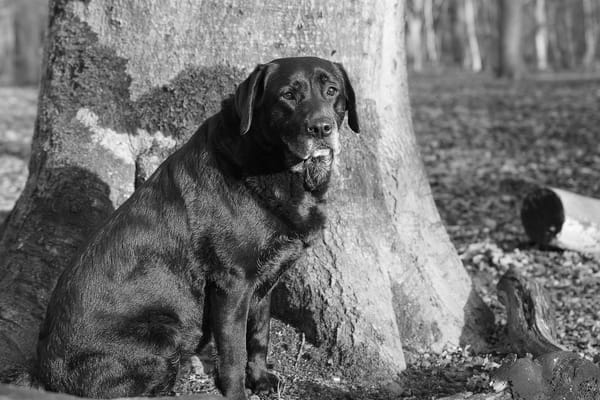
“My Senior Dog Suddenly Seems Confused”: what it could mean and what to do Seeing a senior dog act “off” can be unsettling, especially when the change feels sudden. One day they know exactly where the water bowl is, and the next they seem lost in their own living room, stare at the wrong side of the door, or wander aimlessly like they forgot
“My Senior Dog Sleeps All Day”: what it could mean and what to do It can be unsettling when an older dog seems to spend most of the day asleep. Sometimes it is completely normal. Other times, “sleeping all day” is really a sign of low energy, discomfort, or illness. A helpful way to think about it is this: sleep itself is not the
“My Senior Dog Is Gaining Weight Without Eating More”: what it could mean and what to do It is unsettling when an older dog starts putting on weight even though you have not changed their meals. Sometimes it really is “mystery weight.” More often, the change is coming from somewhere easy to miss: a slower metabolism, lower activity, subtle extra calories, muscle loss that makes fat gain
“My Senior Dog Is Losing Weight Even Though They’re Eating”: what it could mean and what to do Watching an older dog get thinner can feel unsettling, especially when the food bowl is still being cleaned. In many cases, weight loss in a senior dog is your first visible clue that something inside the body has changed. Sometimes it is straightforward, like dental pain making chewing inefficient. Other
“My Senior Dog Keeps Shaking Their Head”: what it could mean and what to do Watching a senior dog repeatedly shake their head can feel alarming, especially when it comes out of nowhere or starts happening daily. Sometimes it is something minor, like a bit of water trapped after a bath. Other times it is a clue that your dog is uncomfortable, in pain, or
“My Senior Dog Keeps Vomiting Yellow Foam”: what it could mean and what to do Seeing a senior dog vomit yellow foam can be unsettling, especially when it happens more than once. The color often points to bile mixed with stomach fluid and saliva, but the “why” can range from a relatively manageable routine issue to something that needs urgent veterinary care. Because older dogs
“My Senior Dog Is Gassy All the Time”: what it could mean and what to do If your senior dog has become a near constant gas machine, you are not imagining it. Some dogs do get gassier with age, but “normal” still has boundaries. A change in gas frequency, smell, or your dog’s comfort level can be an early clue that something in the gut
“My Senior Dog Startles When I Touch Them”: what it could mean and what to do If your older dog suddenly flinches, jerks, growls, or looks shocked when you touch them, it can feel like the relationship changed overnight. In many cases, it is not “attitude” at all. It is communication. Your dog is telling you that something about touch, movement, or surprise feels different now.
“My Senior Dog Doesn’t Respond When I Call Them”: what it could mean and what to do It is unsettling when a dog who used to whip their head around at the sound of your voice suddenly looks right through you. The hard part is that “not responding” is not a single symptom. It can be hearing loss, but it can also be confusion, pain, vision changes,
“My Senior Dog Is Howling at Night”: what it could mean and what to do Nighttime howling can feel eerie in a way that hits your nerves fast, especially when it’s coming from a dog who used to sleep quietly. With senior dogs, the important thing to know is this: howling at night is usually a clue, not “bad behavior.” It can be your
“My Senior Dog Sighs Constantly”: what it could mean and what to do If you live with a senior dog, you have probably learned their soundtrack by heart: the shuffle to the water bowl, the gentle thump of settling into bed, the occasional huff that sounds suspiciously judgmental. Then comes the sigh. One sigh is easy to shrug off. But when it feels
“My Senior Dog Groans When They Lie Down”: what it could mean and what to do Hearing your older dog groan as they settle onto the floor can hit you in two places at once: your heart and your brain. Part of you wonders if it is simply an “old dog noise.” Another part worries you are missing pain, breathing trouble, or something serious. The truth
“My Senior Dog Is Barking at Nothing”: what it could mean and what to do When an older dog starts barking at “nothing,” it rarely feels like nothing to the dog. Senior dogs can become more sensitive to sound and light, less sure of what they are hearing or seeing, and more easily unsettled by changes in their body or environment. Sometimes the explanation is
“My Senior Dog Won’t Stop Licking the Air”: what it could mean and what to do Watching a senior dog lick the air can feel baffling. There is no food, no water, nothing obvious on their lips, yet the tongue keeps flicking out as if they are tasting something you cannot see. Sometimes it is brief and occasional. Other times it becomes repetitive or intense, and
“My Senior Dog Keeps Licking Their Paws”: what it could mean and what to do A little paw licking is normal. Dogs clean their feet the way we might brush lint off our sleeves. But when a senior dog starts licking their paws often, intensely, or in a brand new pattern, it deserves a closer look. In older dogs especially, paw licking can be a
“My Senior Dog Pants When They’re Not Hot”: what it could mean and what to do Panting is one of those dog behaviors that can be totally normal one minute and genuinely concerning the next. When an older dog starts panting while resting in a cool room, it often leaves people thinking, “They’re not hot, they didn’t just run around, so what’s going
“My Senior Dog Paces in Circles”: what it could mean and what to do Watching an older dog pace in circles can feel unsettling, especially when it comes out of nowhere or seems to happen more at night. The tricky part is that circling is not one single “symptom” with one single cause. It can be a sign of confusion, nausea, pain, anxiety, sensory
“My Senior Dog Is Limping On and Off”: what it could mean and what to do Watching an older dog limp, then walk normally again, can be confusing in a very specific way. If they were “really hurt,” wouldn’t the limp stay? Not always. Intermittent limping in senior dogs often comes from problems that flare with activity, stiffness after rest, weather changes, or subtle joint
“My Senior Dog Suddenly Hates the Stairs”: what it could mean and what to do One day your older dog charges up the stairs like usual. The next day they stop at the bottom, stare at you, and act like the staircase is an enemy. That change can feel dramatic, but in many cases it is your dog doing something sensible: avoiding a movement that
“My Senior Dog Hesitates Before Jumping”: what it could mean and what to do When an older dog pauses at the couch, stares at the car seat, or does a little “half squat” before deciding not to jump, it is easy to chalk it up to aging. Sometimes it is just normal wear and tear. Often, though, it is your dog doing the clearest
“My Senior Dog Is Slipping on the Floor”: what it could mean and what to do Watching a senior dog lose traction on tile, laminate, or hardwood can feel like it came out of nowhere. One day they are trotting to the kitchen, the next they hesitate, splay their legs, or slide when they try to turn. Sometimes it is “just” slick flooring and aging paws.
“My Senior Dog Is Leaking Urine While Sleeping”: what it could mean and what to do Finding a wet spot where your older dog was sleeping can feel confusing and a little heartbreaking. Some dogs seem embarrassed. Others act totally unaware. Either way, urine leakage during sleep is usually a sign that something about your dog’s urine storage, urine concentration, bladder health, or nerve control
“My Senior Dog Keeps Asking to Go Outside”: what it could mean and what to do When an older dog suddenly starts “requesting” extra trips outdoors, it is easy to assume they are just being quirky, bored, or stubborn. Sometimes it really is a routine change. But in senior dogs, repeated asking to go out is often your best early clue that something in the body
“My Senior Dog Can’t Hold It Overnight”: what it could mean and what to do Waking up to a wet bed, a damp patch on the floor, or a dog who seems genuinely surprised by what happened can be upsetting for both of you. Overnight accidents in a senior dog are common, but they are not something to shrug off as “just old age.” Sometimes
“My Senior Dog Is Peeing in the House Again”: what it could mean and what to do When a senior dog starts having indoor accidents after years of reliable house training, it is rarely “just old age.” In many cases, it is your dog communicating a health problem, a mobility barrier, confusion, or a change in how their body holds and releases urine. Because the causes range